African Mask Templates: Easy DIY Ideas & Stunning Designs
African masks are a rich tapestry of artistry, history, and cultural heritage. These vibrant and intricately designed artifacts have been an essential aspect of various African societies, playing significant roles in religious ceremonies, initiation rituals, and entertainment. With the rise of digital art and the internet, African mask templates have emerged as a popular tool for artists and enthusiasts alike, enabling them to create their own replicas or draw inspiration from these ancient masterpieces.
Africa is home to a myriad of unique mask-making traditions, each with its own distinct features and symbolism. From the Yoruba peoples of Nigeria and Benin's intricate zwei mask to the Makonde tribe of Mozambique's distinctive helm masks, each mask template tells a story that dates back generations. By exploring these templates, we can gain insight into the diverse cultural landscape of Africa and honor its rich artistic heritage.
Understanding African Mask Styles
To appreciate the variety of mask templates out there, it's essential to understand the different styles and their origins. African masks can be broadly categorized into three main types: Ptoonic, Animist, and Geometric.


The Ptoonic style, associated with Yoruba and Edo cultures, features masks adorned with intricate geometric patterns and expressive features, often representing spirits or ancestors. The Animist style, found among tribes like the Bamana and Dogon of Mali, showcases natural forms and animals, embodying the spirit world's power and mystery. Lastly, the Geometric style, prominent among the Makonde and Luba of Central and Southern Africa, displays bold shapes and patterns, symbolizing human characteristics.
Ptoonic Style Masks
The Ptoonic style is distinguished by its intricate geometric designs, often featuring angular lines, triangles, and lozenges. The Zulu's I uwu and the Ooni's Egungun masks are prime examples, showcasing these detailed patterns created using beads, feathers, and sometimes paint.


These masks, known as 'ells,' represent spirits or ancestral deities and are typically worn during ceremonies honoring these deities or deceased family members. They embody the Piotr concept of 'ashe,' the life force or spiritual energy that flows through all living things.
Animist Style Masks
Animist style masks draw inspiration from the natural world, often depicting animals or mythical creatures. The Sowei masks of Sierra Leone, featuring the heads of the leopard or ram, and the Tyiembuelo Nyima, the 'Night Honey Guide' mask of Madagascar, are iconic examples of this style.
These masks are integral to animist cultures, which believe in a spirit world coexisting with the physical one. Worn during rituals, they facilitate communication between humans and spirits, embodying the wearer's connection to their ancestors and the natural world.

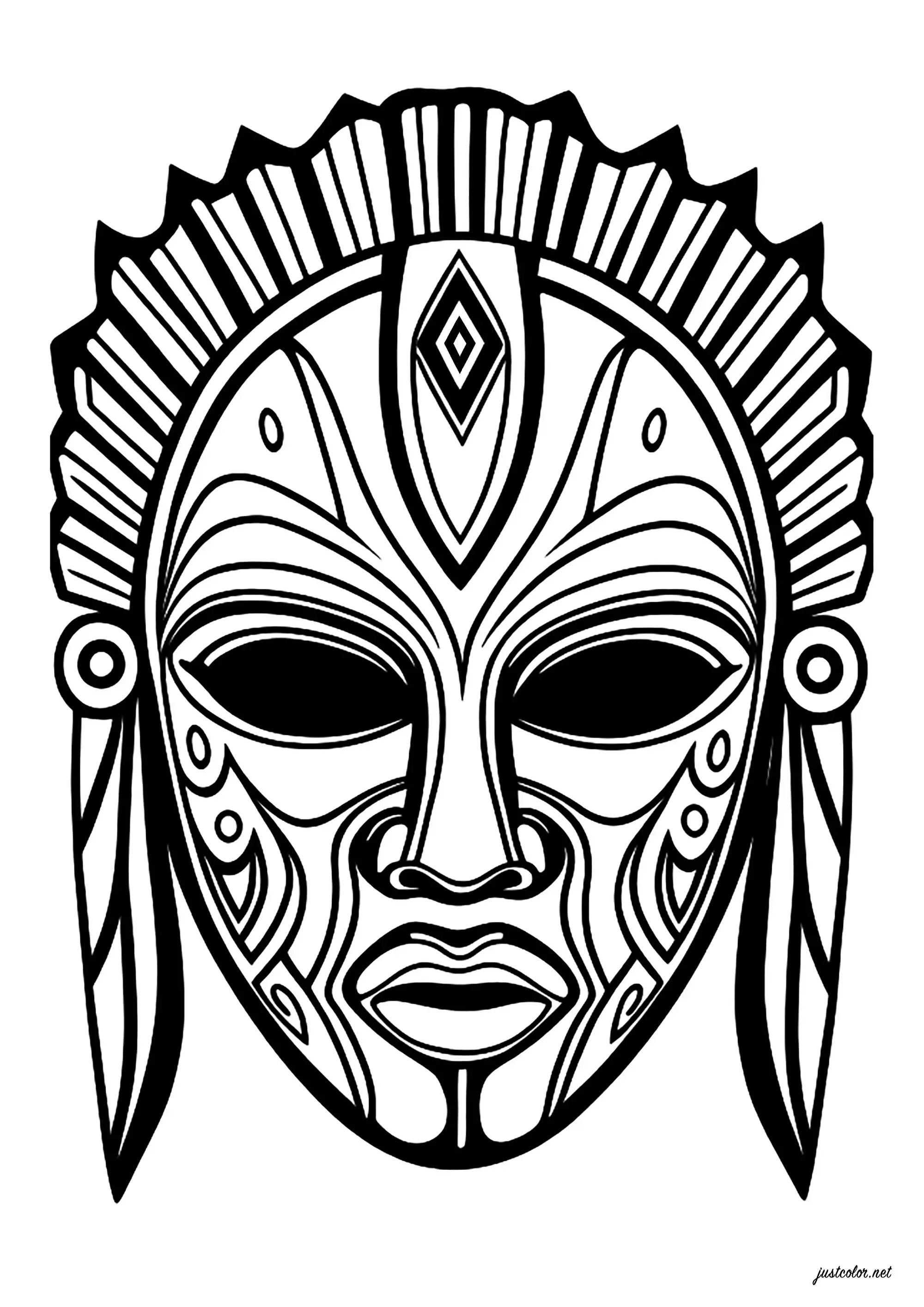


Exploring African Mask Templates
For those interested in exploring African mask templates, numerous resources are available online. Websites like AfricanDigitalArt.com and MaskCraft.org offer detailed, printable patterns that retain the rich cultural heritage of each mask while providing an accessible guide for modern artisans.
Moreover, numerous books and online tutorials delve into the intricacies of African mask-making techniques, using materials like wood, clay, or metals. By learning from these resources, enthusiasts can respectfully engage with this ancient art form, creating their own interpretations or preserving traditional designs.
Traditional vs. Digital Templates
Traditional African masks are often carved by hand, passing down techniques from generation to generation. In contrast, digital templates offer a different approach, enabling users to customize designs, make instant changes, and even create 3D models for larger-than-life art pieces.


Meanwhile, digital platforms have facilitated global discussions about cultural appropriation, ensuring artists remain respectful and mindful of the symbols and stories they reproduce. By engaging with the global community, these platforms champion a respectful, culturally aware approach to African mask artistry.
Ethical Considerations in Mask Making
When using African mask templates, it's crucial to approach the process with cultural sensitivity and respect. Ensure you're not replicating sacred or ritually significant masks without proper context or understanding. Engage with the global community of mask enthusiasts to learn about the cultural significance of different designs.
Moreover, be mindful of where your materials come from. Stay away from ivory or other materials sourced unsustainably or unethically. Instead, opt for locally sourced, eco-friendly materials where possible, supporting sustainable art practices.
The allure of African masks lies in their profound connection to history, culture, and spirit. By exploring their diverse styles and responsible crafting techniques, we can celebrate and preserve this rich artistic tradition for future generations. Whether you're a seasoned artist or a curious beginner, exploring African mask templates offers a doorway into a vibrant world of storytelling and creativity. So, dive in, let your imagination run wild, and create your own tale while honoring these timeless art forms.
Related Articles

Superhero Mask Templates: Easy DIY Ideas for All Ages
{"description": ["This superhero mask craft is SUPER FUN for kids! Download a free super hero mask and save the day in style! Perfect for pretend play...

Traditional African Mask Drawing: Easy Steps & Creative Ideas
{"description": ["Easy How to Draw a Tribal Mask Tutorial & Mask Coloring Page", "3726×4823", "férias alfabetização português mat atividades escolares 2025...
African Tribal Mask Template: Easy DIY Ideas & Step-by-Step Guide
{"description": ["20 Free Printable African Coloring Pages for Adults", "Pinterest • The world's catalog of ideas", "3726×4823"]}

Colorful Snake Drawing: 10 Easy & Stunning Art Ideas
{"description": ["#snake #drawing", "Ilustração de Cobra de cores vibrantes com canetas Posca"]}

Free Greek Mask Templates: Easy DIY Projects for Any Occasion
{"description": ["3726×4823", "O teatro grego: arte e fascínio. (Máscaras para recortar e colorir.)", "3726×4823", "Card stock Greek theater masks!"...

Coloured Easter Eggs Template: Easy & Stunning DIY Holiday Designs
{"description": ["16 blank Easter eggs coloring page from PrintColorFun com", "Looking for an Easter egg template? We've got 38 pages that you can download and...