African Tribal Mask Template: Easy DIY Ideas & Step-by-Step Guide
Africa's rich cultural heritage is intrinsically linked to its arts, with tribal masks playing a significant role in various ceremonies and rituals. These vibrant works of art are not just decorative items; they are steeped in symbolism and serve as windows into the unique beliefs and traditions of different African tribes. In the digital age, the replication of these masks has found its way into the virtual world, leading to the popularity of African tribal mask templates.
These templates allow individuals, artists, and even designers to recreate these masks, appreciating their cultural significance while allowing for personal expression. However, the use of African tribal mask templates extends beyond artistic pursuits. They are also valuable tools for education, enabling us to learn about and understand African cultures more deeply.
Understanding African Tribal Masks
African tribal masks are typically worn during rituals, ceremonies, and sometimes even in everyday life. They often represent ancestral spirits, animals, or mythical figures, serving as intermediaries between the human and spirit worlds. Each tribe has its unique designs, materials, and carving techniques, reflecting their specific cultural beliefs and history.


The use of masks is not uniform across Africa. While some tribes like the Yoruba of Nigeria employ them extensively in their religion and culture, others like the Zulu of South Africa primarily use them for specific ceremonies. Nevertheless, the diversity and complexity of African tribal masks continue to captivate both African and global audiences.
Common Themes in African Tribal Masks
Despite the vast diversity in design and style, several common themes run through African tribal masks. One prominent theme is the representation of animals, reflecting the importance of nature and the spirit world in African cosmology. Another common theme is the portrayal of ancestral spirits or mythical characters, highlighting the reverence for lineage and history in African cultures.


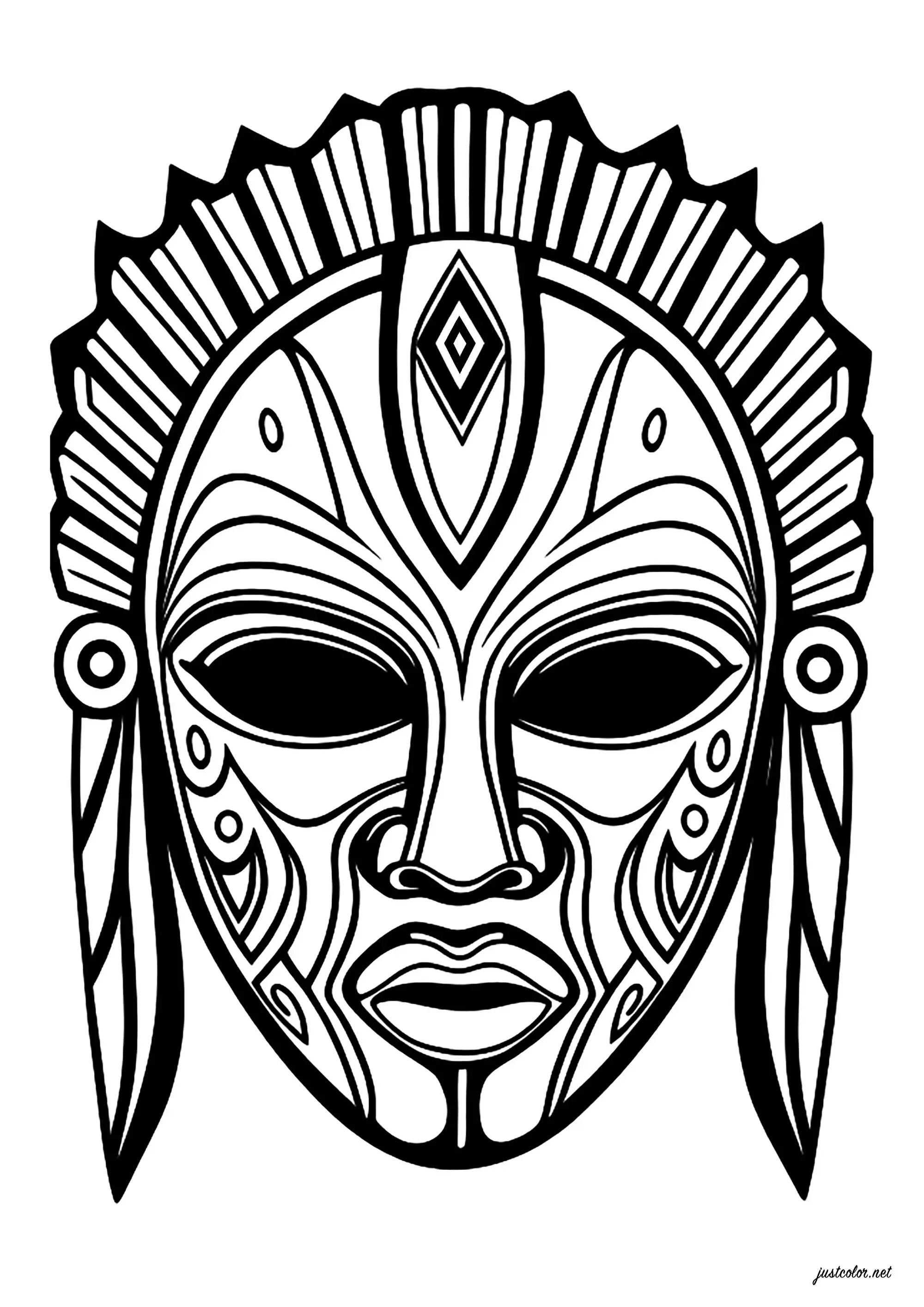
Additionally, African tribal masks often incorporate geometric and abstract patterns. These patterns serve aesthetic purposes but also carry symbolic meanings, often related to the wearer's rank, tribe, or clan. The use of bright colors, polished surfaces, and textures further adds to the masks' aesthetic appeal and cultural significance.
Materials Used in African Tribal Masks
Africa's rich plant, animal, and mineral resources are reflected in the diverse materials used to create tribal masks. Common materials include wood, which is extensively used due to its ease of carving and durability. Other materials include bark cloth, rawhide, feathers, cloth, and beads, which are often used to adorn the masks, adding textures, colors, and cultural symbolism.
In some regions, earth or clay is used to create masks, while others use calabashes (dried gourds). The choice of material depends on the tribe's cultural traditions, availability of resources, and the intended use of the mask.


The Art of Recreating African Tribal Masks
With the advent of the internet and digital software, the art of recreating African tribal masks has moved beyond physical craftsmanship. Today, African tribal mask templates allow anyone to design, customize, and print their own masks, democratizing access to this ancient art form.
These templates provide a foundation upon which users can build their designs, exploring their creativity while learning about African culture. They also allow for a more sustainable and accessible exploration of African arts, reducing the pressure on traditional art forms and the environments that support them.
Using African Tribal Mask Templates
African tribal mask templates can be found online on various platforms, including printable formats for DIY projects and customizable designs for commercial use. They come in different levels of complexity, suitable for both beginners and experienced designers. Some platforms offer free templates, while others require purchase.

When using these templates, it's crucial to respect the cultural significance of the designs. While personal expression is encouraged, it's essential to avoid cultural appropriation. Users should strive to learn about and appreciate the cultural context behind these designs, using them as a means of paying homage to African art and culture rather than appropriating them for trendy or disrespectful purposes.
The Role of African Tribal Mask Templates in Education
African tribal mask templates play a vital role in education, allowing teachers and students to learn about African cultures in an interactive and engaging way. By using these templates to recreate masks, students gain a deeper understanding of African art, history, and traditions.
Moreover, the process of recreating these masks encourages critical thinking and creativity, aligning with many educational systems' goal of promoting holistic learning. It also fosters cultural appreciation and understanding, which are essential in today's diverse and interconnected world.
In the spirit of cultural exchange and learning, African tribal mask templates invite us to explore, appreciate, and understand Africa's rich cultural heritage. Whether for artistic expression, education, or cultural understanding, these templates offer a unique gateway into the fascinating world of African tribal masks.
Related Articles
African Masks Template: Easy Step-by-Step Tribal Art Designs
{"description": ["20 Free Printable African Coloring Pages for Adults", "Pinterest • The world's catalog of ideas", "Give young artists the tools to create...

My Little Pony Drawing Template: Easy Step-by-Step Guide for Kids
{"description": ["maullido pony", "#pony art #mlp base #drawing base", "хз"]}

Template for Cat Mask: Easy DIY Instructions & Ideas
{"description": ["Who’s ready for some purr-fect crafting fun? These free printable cat masks are adorable, easy to make, and perfect for pretend play! Use...

Printable Bunny Mask Template: Easy DIY Crafting Guide
{"description": ["Bunny Masks | Free Printable Templates & Coloring Pages | FirstPalette.com", "You can get the kids (as well as the adults) to enjoy making...

Mask Paper Template: Easy DIY Guide & Free Printables
{"description": ["Full Face Mask Template Printable", "{ the refrain for a face mask }"]}
Traditional African Mask Drawing: Easy Steps & Creative Ideas
{"description": ["Easy How to Draw a Tribal Mask Tutorial & Mask Coloring Page", "3726×4823", "férias alfabetização português mat atividades escolares 2025...