State Flag Colors: History, Meaning, and Symbols
The vibrant tapestry of state flags across the globe displays a rich history and cultural heritage, often encapsulated within the colors chosen. But did you know that these colors hold symbolic meanings that echo a nation's story? Let's delve into the intriguing world of state flag colors and uncover their profound symbolism.
Flags serve as powerful visual representations of a state or country, with each color holding an array of possible meanings. From the fiery reds that symbolize courage and power to the tranquil blues that depict serenity and harmony, these hues tell a compelling story.
The Science Behind Flag Colors
The psychological impact of colors on our emotions and perceptions is a field studied intensely in psychology and marketing. This science, applied to national flags, further enhances their influence on our psyche. For instance, warm colors like red and orange can stimulate excitement and energy, while cool tones such as blue and green promote calmness and relaxation.


Moreover, the human brain processes color information 60,000 times faster than text. As such, the colors on state flags can convey a multitude of messages within mere seconds, traversing language barriers with ease.
okołoRed: A Universal Symbol
Red, universally visible in daylight and high up on the light spectrum, is one of the most common colors in national flags. It represents vivacity, energy, and passion. Observe how it dominates the flags of China, Russia, and the United Kingdom, symbolizing power and dynamism.


However, red's symbolic interpretations can vary. In certain nations like South Africa, it signifies the blood shed during the struggle against apartheid, speaking to resilience and unity. Conversely, in Japan, it represents good fortune and vitality.
CyberBlue: tranquility and Strength
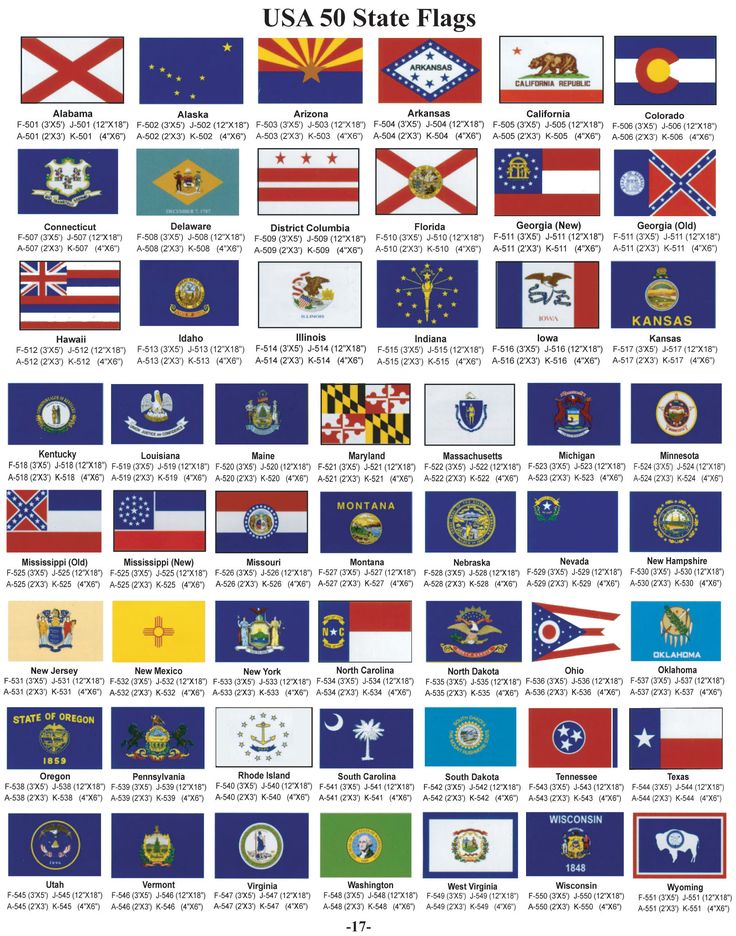
Blue, another prominent flag color, owes its popularity to its portrayal of trust, loyalty, and stability. It's also connected to the sea and sky, denoting freedom, vigilance, and reliability. Countries like Norway, Portugal, and the United States have it centrally placed on their flags.
In some contexts, blue can also signify sadness or sorrow, as seen in the Greek flag's horizontal blue band, representing the sea, but also the tears shed in war. In contrast, the lighter shade of blue used in the Ethiopian flag signifies peace and harmony.


The Significance of Flag Color Combinations
Flag colors' meanings extend beyond individual hues. The combined effect of different colors carries yet another layer of symbolism. Take, for example, the German flag, which combines the colors of its predecessor states. Red and gold (or black) represent Saxony, while the white and red stripes are from Prussia.
Color combinations can also depict contrast and unity. The Australian flag exemplifies this, with the blue background symbolizing the Pacific Ocean, and the Union Jack representing its British heritage. The six white stars represent the Southern Cross constellation, while the commonwealth and federation stars signify unity.
Green: From Nature to Islam
Green, the color of nature, growth, and fertility, is prominent in flags with agricultural or religious significance. Ireland's green field represents the lush, verdant land, while the white represents peace and hope. In Islamic countries like Pakistan and Saudi Arabia, green signifies Islam, the Prophet Muhammad, and paradise.
In many African nations, green symbolizes the land, agriculture, and prosperity. Meanwhile, in Central and South American countries, it represents independence and hope.
Hue to the (Yellow) Sun
Yellow or gold, representing light, energy, wisdom, and prosperity, is another common flag color. In national flags, it often contrasts with other colors, making it a centerpiece. Japan's rising sun and the sun of the Peruvian flag both symbolize the energy and life-giving force of the sun.
Yellow can also signify wealth, as found in the flags of FYROM (Republic of North Macedonia) and the historic Italian flag. In the case of the latter, it was later changed to green due to political and social upheavals, showing how historical context can influence color choice.
Understanding the symbolism behind state flag colors is a fascinating journey into cultural nuances and historical narratives. It's a testament to the power of colors in communicating ideas and emotions universally. Next time you see a flag, look beyond the design and consider the story it might be telling through its colors.
Related Articles

Symbols of New York State: Facts, History & Meaning
{"description": ["State Symbols of New York with Names and Pictures", "Symbols of New York (A List) - Symbol Sage", "New York State Bird, Flower and Tree"...

What Is Ohio's State Seal? Meaning, History & Symbols
{"description": ["Ohio Sticker State Seal made with Vinyl, Decal for Book, Laptop, Car, Water Bottle, Helmet, Toolbox, ... Discover a fantastic way to express...

What Is Tennessee's State Seal? History & Meaning Unveiled
{"description": ["Great seal of Tennessee - click to see all state seals", "Seal of Tennessee", "TENNESSEE", "Imán Tennessee Seal Vintage Emblem Volunteer...

Jewish Flag Emoji: Meaning, Symbols & How to Copy Paste
{"description": ["Adaptation française (refrain seulement) de ''Lo Ahavti Dai'' (chanson israëlienne).\nParoles incluses", "เชื่อมต่ออัตโนมัติ \nอนุญาติ...

Delaware State Flowers: Facts, History & Meaning
{"description": ["State Flowers - Delaware - Peach Blossom © Emilio Ereza", "Procreate", "A black ink illustration of a peach blossom branch, the Delaware...

American Samoa Flag Emoji: Meaning, History, and How to Use It
{"description": ["Celebrate the stars and stripes 🇺🇸 with our diverse collection of United States of America emojis and flag icons! Perfect for digital...