Rahab and the Spies Craft Activity Printable PDF
The ancient tale of Rahab and the spies, found in the Bible's Book of Joshua, is a fascinating narrative that has sparked intrigue and study for centuries. This story, recorded in Joshua 2 and 6 and briefly mentioned in Hebrews 11:31, not only reveals a significant event in the Israelites' journey but also highlights themes of faith, courage, and deception. Today, we'll delve into this intriguing account, discover its significance, and explore how it has been interpreted and portrayed throughout history.
Before we dive into the story, let's set the stage. Joshua, the successor to Moses, is leading the Israelites towards the Promised Land. Jericho, a heavily fortified city, stands in their way. In Joshua 2, we meet Rahab, a Canaanite woman with a remarkable secret.
Rahab's divulgement
Rahab, an inhabitant of Jericho, is not your typical biblical hero. She's a woman of ill repute, a brothel owner or possibly a prostitute herself. Yet, her story is one of transformation and faith.


The narrative begins with Israelite spies, sent to scout out Jericho, visiting Rahab's establishment. Unbeknownst to them, Rahab is privy to the Israelites' recent deeds - the parting of the Red Sea and the defeat of Sihon and Og. She doesn't view these visitors as mere spies but as representatives of the living God, the one true God.
Rahab's recognition of Yahweh
Rahab's reaction to the spies is extraordinary. Unlike her fellow Canaanites, Rahab shows remarkable insight and faith. She recognizes that the God of the Israelites is the true God, the one who performs спасение yahweh [salvation] (Joshua 2:10). She emphasizes that their deeds and reputations have preceded them, instilling fear in the hearts of the Canaanite kings.


Her recognition of Yahweh is particularly striking, given that she's a Gentile, a foreigner, and a woman of questionable reputation. This acknowledgment foreshadows the gentile inclusion in God's salvific plan, a theme prominent in both the Gospels and the Book of Acts.
Rahab's act of courage
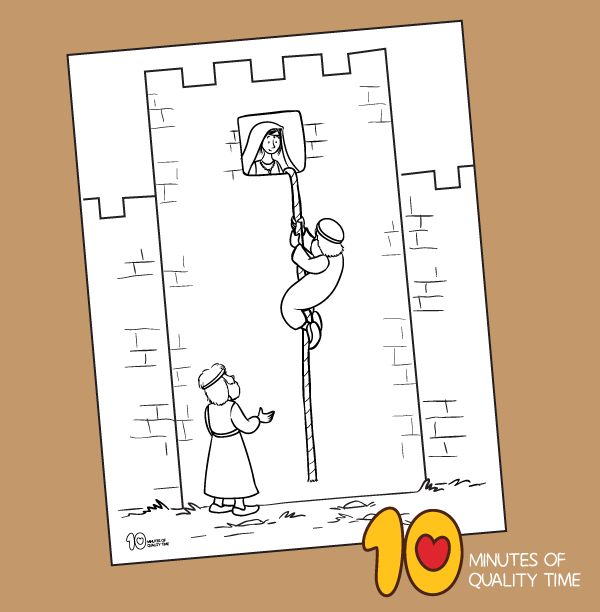
Despite the danger, Rahab hides the spies on the roof of her house, beneath bundles of flax. She tells the king's messengers that the men had indeed come, but she didn't know where they were from or where they had gone. She sends the messengers on a wild goose chase, giving the spies time to hide.
Rahab's act of deception and courage is no small feat. She's risking her life to protect the spies, trusting in a God she's only heard about. Her actions demonstrate a profound shift in her allegiance, moving from her Canaanite gods to the God of Israel.


Rahab's role in Israel's history
Rahab's boldness and faith don't go unnoticed. When the Israelites later conquer Jericho, Joshua's men spare Rahab and her family according to her oath. Rahab becomes an integral part of Israel's history, her story recorded in theZEBOOK OF JOSHUA and her name listed in the genealogy of Jesus in Matthew 1:5.
Furthermore, Rahab is later mentioned in Hebrews 11:31, along with other Old Testament heroes, for her faith: "By faith the prostitute Rahab, because she welcomed the spies, was not killed with those who were disobedient." Her inclusion here underscores the importance of her faith and obedience.
The impact on theBook of Judges
The story of Rahab also has implications for the Book of Judges. The fact that Rahab's descendants are among the Israelite people suggests that intermarriage and assimilation may have been more common than previously thought. This challenges the traditional portrayal of the Israelites as a homogeneous group with a strict prohibition against intermarriage.


Moreover, Rahab's story prefigures the theme of marginalized women ( enceinte, widows, foreigners) showing extraordinary faith and courage, a theme that is echoed throughout the Judges.
Artistic and literary interpretations
Over centuries, Rahab's story has been interpreted and portrayed in various artistic and literary forms. In medieval art, Rahab is often depicted as a penitent woman, her past sinfulness serving as a warning of divine judgment. In contrast, more recent interpretations emphasize Rahab's faith and courage, highlighting the message of salvation by faith for all who believe, regardless of their background.
Authors like Billie Jean Collins, in her novel "Rahab: Mother of Nations," retell Rahab's story from her perspective, offering an intimate and engaging narrative that sheds light on this influential woman's life.
In conclusion, Rahab's story, though shrouded in ancient history, serves as a timeless reminder of the transforming power of faith. From a prostitute to a hero of the faith, Rahab's bold decision to trust in Yahweh forever changed her life and her place in Israel's history. Her story, like many in the Bible, compellingly demonstrates that God values faith and courage over status and heritage. It challenges us today to consider our own response to the living God, and the drastic changes faith can bring about in our own lives.
Related Articles
Printable Rahab and the Spies Craft: A Fun Bible Activity for Kids
{"description": ["Rahab Hides the Spies Coloring Page – Free Joshua 2 Printable for Kids #printable #kidschurch #sundayschool", "We learn about Rahab and how...
Free Rahab and the Spies Craft – Fun Bible Story Activity for Kids
{"description": ["Explore free Bible coloring pages featuring Rahab And The Spies and many more printable Bible story designs for kids, Sunday school...

Printable D is for Dinosaur Craft: Easy & Fun Alphabet Activity
{"description": ["Roar into learning with this easy Lowercase Letter d Dinosaur Craft!\n\nPerfect for preschoolers and toddlers, this printable activity lets...
Rahab and the Spies Coloring Page - Fun Bible Activity for Kids
{"description": ["Explore free Bible coloring pages featuring Rahab And The Spies and many more printable Bible story designs for kids, Sunday school...

Free Snowman Template Printable: Easy Winter Craft for Kids & Adults
{"description": ["Snowman Template Build Your Own", "Snowman Templates - Superstar Worksheets", "snowman template", "Printable Snowman Cut Out Template", "Free...

Printable Dreidel Coloring Page: Fun Hanukkah Activity for Kids
{"description": ["Free, printable Dreidel coloring page for kids. Print it out or color it online. https://easydrawingguides.com/coloring-pages/dreidel/"...