Pete the Cat Colors: A Fun Guide for Little Readers
In the vibrant world of children's literature, Pete the Cat, the lovable, blues-loving feline, has left an indelible mark. One of the many reasons for his immense popularity is his affinity for colors, which he explores in numerous engaging adventures. Let's dive into the colorful realm of Pete the Cat, analyzing his color-centric narratives and their educational implications.
Pete the Cat, created by Eric Litwin and illustrated by James Dean, is more than just a charming character. He's a teaching tool that uses music, rhythm, and, of course, colors to captivate young readers and foster learning in a fun, interactive way.
Colors in Pete the Cat Stories
Theaptöz;


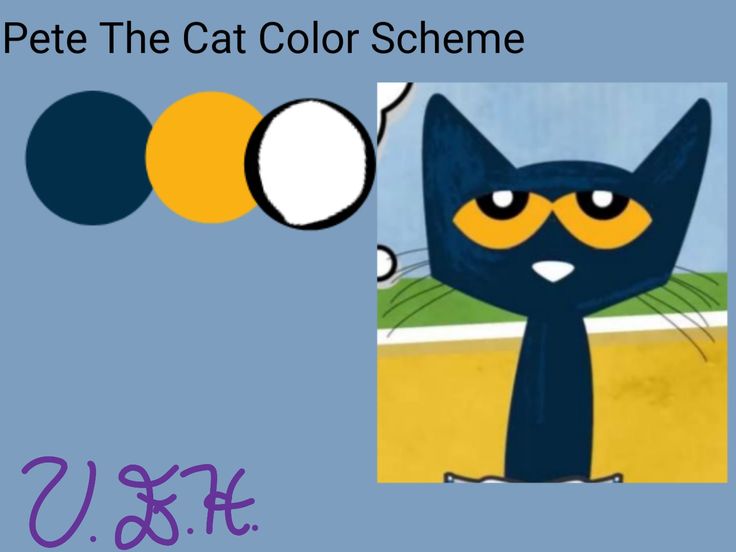
The character's monochromatic, spot-based design allows for easy color changes, making each story an opportune moment to introduce different hues and their associated concepts.
Color Recognition and Sorting
Pete the Cat stories often revolve around colors, helping children recognize and differentiate between various shades. In "Pete the Cat: I Love My White Shoes," Pete goes on a journey where colors are added to his shoes one by one, allowing children to identify and visualize these hues.


Moreover, books like "Pete the Cat: Colors" challenge young readers to sort colors. For instance, when Pete's socks are mixed up, he sorts them by color, teaching children the concept of categorization.
Color Mixing and Complementary Colors
Pete the Cat doesn't just stop at recognition and sorting. He also dives into color mixing. In "Pete the Cat: Color Play!", Pete and his friends mix colors to create new ones, introducing children to the basic principles of primary and secondary color mixing.
Additionally, these stories often explore complementary colors. Pete may wear shoes that are the complementary color of a specific object or environment, teaching children about color schemes and harmony.



Thematic Integration of Colors in Pete the Cat Adventures
Pete the Cat stories don't just limit themselves to educational color lessons. Colors are also intricately woven into the narrative and thematic elements of these stories.
Emotional States and Colors
Pete the Cat stories use colors to convey emotional states. For example, Pete might feel "blue" when something sad happens, mirroring real-life emotional associations with colors. This helps children understand and express their feelings.
Conversely, Pete might feel "red" with excitement or "green" with envy, offering a fun and relatable way to discuss complex emotions. For instance, in "Pete the Cat and His Magic Sunglasses," Pete uses his magic sunglasses to see how different colors make him feel.

Cultural and Character Representations through Colors
Colors also play a significant role in representing different cultures and characters in the Pete the Cat series. For example, in "Pete the Cat: The Pumpkin Patch Parades," the diverse parade participants wear outfits featuring colors significant to their respective cultures.
Moreover, personalizing colors to characters helps young readers understand individuality. For instance, Pete's affinity for blue is reflective of his laid-back and friendly nature, teaching children that colors can represent personal attributes.
Pete the Cat's color-centric stories have undoubtedly left a lasting impact on children's literature. By combining engaging narratives with educational content, these books make learning about colors an adventure young readers look forward to. So, grab a copy, and join Pete the Cat on his next colorful journey today!
Related Articles

Flags With Many Colors: A Visual Guide to the World's Most Vibrant Banners
{"description": ["🌍 Wear the whole world at once. This vibrant world flags spandex is the fabric equivalent of a passport. Bold, graphic, and guaranteed to...

The Color of Snail: A Complete Guide to Snail Colors
{"description": ["Hand-painted by Karina Formanova. Acrylic markers, inks, colored pencils. Prints on Redbubble. Artist's page on Deviant Art @wonderikart"...

What Colors Are For April: Your Ultimate Guide To Spring Colors
{"description": ["🌸🎨 Spring vibes are here! But ditch the basic pastels, this April color palette is all about bold and beautiful.\n\nApril showers bring May...

My Little Pony Drawing Template: Easy Step-by-Step Guide for Kids
{"description": ["maullido pony", "#pony art #mlp base #drawing base", "хз"]}

What Colour Is My Hamster? The Ultimate Guide to Hamster Colors
{"description": ["Hamster's - Winter White Hamster Colour Chart Guys.🐹🤍 . . . #cutepetsシ #postviralシ2025 #fypシ #hamsters #beauty #viralreelschallenge #offers...

Kim Possible Colors: The Ultimate Guide to Her Iconic Style
{"description": ["Disney inspired color palette w/ hex codes!", "Kim had so many outfits! And by the time she was a senior at school, her little green crop top...