Stunning Patterns for African Masks to Inspire Your Next Art Project
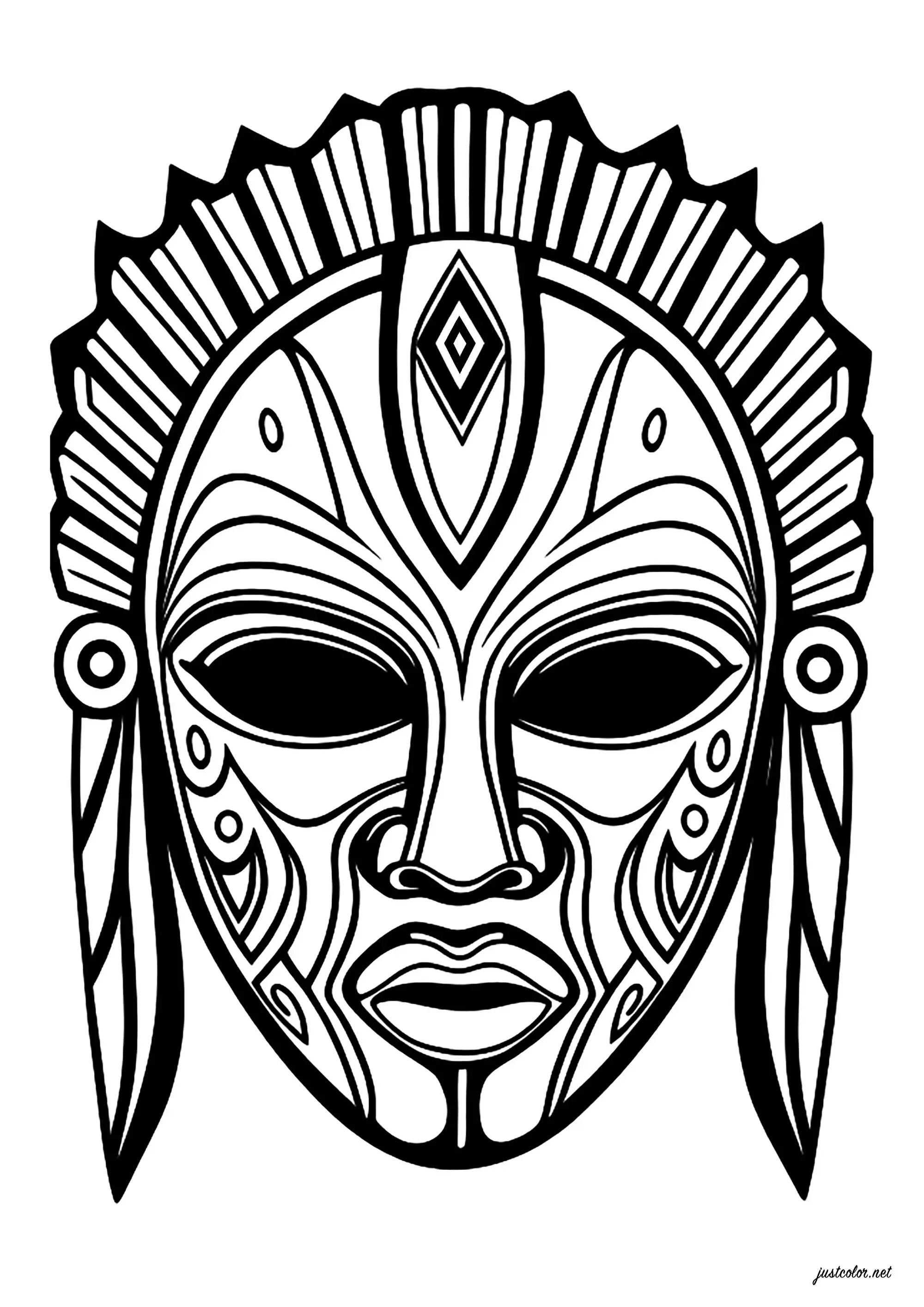
African masks, a rich tapestry of art and culture, have played significant roles in various ceremonies, rituals, and daily life across the continent for millennia. Each mask tells a unique story, reflecting the craftsmanship, traditions, and values of the communities that create them. Understanding the intricate patterns and designs of African masks can provide insights into the complex tapestry of African cultures.
Africa, a continent with over 1,500 ethnic groups, boasts an astonishing diversity of masks, each with its unique patterns and symbolism. These patterns often serve as a language, communicating complex ideas about ancestors, spirits, nature, and societal norms. They can be made from woods, metals, or clay, adorned with materials like paint, clay, beads, feathers, or fabric.
The Geometry of African Masks
The geometry and patterns in African masks can be categorized into a few fundamental shapes and designs that recur across different cultures. These include circles, squares, triangles, waves, and abstract patterns.


Circular patterns are popular among the Yoruba people of Nigeria and Benin. For instance, the "gelede" mask features a large circular eye and mouth, symbolizing the divine feminine spirit. Conversely, abstract patterns like those found in the "b umjet" mask of the Doula people in Cameroon express spirituality and ancestral connection through intricate, geometric designs.
Facial Features
Facial features like eyes, nose, and mouth often dominate the patterns in African masks. They can be prominent and exaggerated for dramatic effect or abstract and stylized for symbolism.


Among the Baule people of the Ivory Coast, masks like the "blolo bla" feature stylized, almond-shaped eyes and an open, credible mouth. These features signify access to the spirit world and ancestral knowledge.
R vibrating Patterns
Rippled or vibrating patterns, often seen in masks from the Democratic Republic of Congo and Angola, represent the dynamic energy of nature spirits, particularly water and wind.
The "ngwadi" mask of the L direita people in Angola, for instance, displays intricate, undulating patterns that evoke the power and fluidity of water, which is crucial to their livelihood and cultural identity.




Animal and Vegetal Motifs
Animal and vegetal motifs are another significant aspect of African masks' patterns. They represent power, fertility, wisdom, and connection to the natural world.
The "sowei" mask of the Gaga people in Ghana, for example, features the image of a fish, symbolizing harmony and unity among coastal tribes due to their dependence on marine life. In contrast, the "mbulu" mask of the Makonde people in Tanzania often incorporates elephant tusks or trunks, personifying the animal's strength and wisdom.
Symbolic Elements
Symbolic elements like scars, tattoos, or other abstract patterns can also appear in African masks. These signify unique cultural practices, social status, or transition stages in life.

Among the Dan people in Liberia, for instance, the initiation mask known as "tubo jun" displays scarification patterns that mimic the initiation scars of young men transitioning into adulthood.
okin and Aburi Headrests
The patterns on okin and Aburi headrests from the Ashanti and Akboru people of Ghana exhibit exquisite geometric designs. These headrests, used to prevent lice infestation and preserve hairstyles, display intricate patterns that mirror those found in Ashanti masks.
Despite their original purpose, okin and Aburi headrests have also become prestigious artforms, showcasing the skill and creativity of their craftsmen and reflecting the cultural aesthetic of the Ashanti and Akboru people.
African masks, with their intricate patterns and designs, embody a rich history of art and culture that has captivated the world for centuries. Each mask tells a story, reflecting the unique spirit and heritage of its creators. Delving into the intricacies of these designs can unlock new understanding and appreciation for the diverse cultures and traditions of Africa.
Related Articles

Stunning Grape Leaf Outline Ideas to Inspire Your Next Project
{"description": ["Grape leaf outline drawing, hand drawn sketch, isolated on transparent background", "21+ Leaf Templates | Free Printable Leaf Outlines For...

Free Patterns for Letters: 50+ Beautiful Designs to Inspire Your Next Project
{"description": ["These free printable alphabet letters are perfect for Large Bulletin Board Letters. Alphabet Designs Fonts\nPreschool Letter Printables...

Stunning Embroidery Butterfly Patterns for Your Next Creative Project
{"description": ["MENTŐÖTLET - kreáció, újrahasznosítás: Hímzett pillangók", "👏🏻👏🏻👉🏻 @fabric_design__ ... #handwork #trending #instagram #sidhumoosewala...

March Word Art: Stunning Creative Designs to Inspire Your Next Project
{"description": ["march letters sticker \nm\na\nr\nc\nh", "#hellomarch #newmonth #march", "Celebrate March Madness with these awesome scrapbook die cuts!...

Free Floral Machine Embroidery Designs: Stunning Patterns for Your Next Project
{"description": ["Art Deco Camellias 10 Machine Embroidery Designs Cd In 4 Sizes Satin Outline", "Pink flower free machine embroidery design", "Stunning Flower...

Easy Embroidery Sampler Pattern: 20 Stunning Designs to Inspire Your Next Project
{"description": ["Embroidery Stitch Book Kit for Beginners Hand Embroidery Sampler DIY Needlework Starter Kit Stitch Practice Book Sewing Gift for Craft Lover...