Coloring Pages of Job in the Bible: Fun & Inspiring Printables for Kids
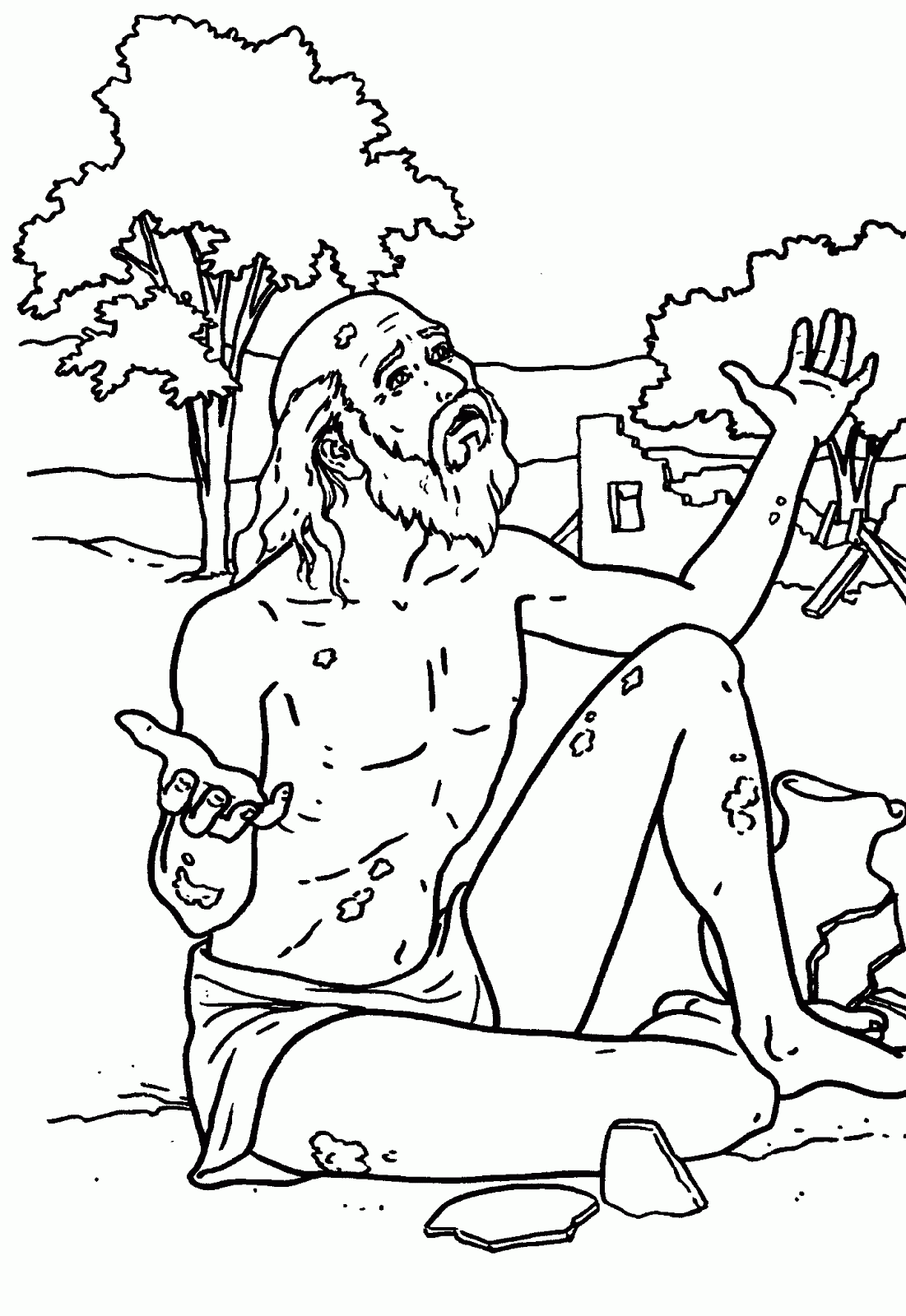
The intersection of faith and art is a fascinating exploration, and one of the most engaging expressions of this interplay is found in the religious coloring pages inspired by biblical stories. These pages are not just coloring activities, but also spiritual learning tools that engage both children and adults, making complex biblical narratives accessible and an enjoyable experience.
The practice of using color to connect with religious themes is ancient, dating back to illuminated manuscripts and stained glass windows. Today, coloring pages based on biblical stories continue this tradition, offering a unique way to interact with and reflect upon religious teachings and imagery.
Biblical Characters and Scenes: A Rich Source of Inspiration
Bible stories provide an abundance of subjects for coloring pages. From major figures like Moses, Jesus, and the Virgin Mary to significant events such as the Last Supper, Noah's Ark, or the Birth of Jesus, each scene offers a wealth of detail and symbolism to engage with.


These characters and scenes are often depicted in iconic poses or moments, allowing colorers to personalize and interpret the narrative through their color choices. For instance, the traditional white robes of angels can be substituted with vibrant hues to reflect their joy or varied shades to depict different angelic ranks.
Noah's Ark and the Animals
Noah's Ark is a popular subject for coloring pages, providing a delightful array of animals, from lions to parrots, all meticulously arranged in the ark's construction. Coloring these pages allows one to explore God's command for kindness towards all creatures and the importance of obedience, as seen in Noah's actions during the great flood.


This scene also lends itself to creative interpretation. You might choose colors that reflect the chaos of the flood or the calm after the storm, adding your unique perspective to the story.
The Last Supper and the Disciples
The Last Supper, where Jesus sharing his final meal with his twelve apostles, is another frequently featured scene. The penetrating gaze of Jesus in the center, along with the twelve disciples around him, provides ample detail for coloring enthusiasts.
Each disciple has a unique role and personality, which can be emphasized through color. For example, you might use bold primary colors for Peter, who is often depicted as boisterous and assertive, and soft pastels for the more timid Thomas.


Color Symbolism and Its Biblical Significance
Color symbolism is another intriguing aspect of biblical coloring pages. Each color carries rich historical and cultural significance that has transcended time and geography. Understanding these symbols can deepen the connection between the colorer and the religious themes at play.
For example, red often represents blood, sacrifice, or the Holy Spirit in religious art, while blue is frequently associated with heaven, loyalty, and wisdom. Green symbolizes growth, life, and renewal, while purple denotes royalty, wealth, or penitence, depending on the context.
The Significance of Color in Religious Art
In religious art, color has always been used not just for aesthetic appeal, but also to convey meaning and emotion. The vibrant hues of medieval illuminated manuscripts or the beautiful blues of Renaissance religious paintings are not just a result of artistic license, but also a reflection of the subject matter's spiritual significance.

When we color these religious scenes, we are participating in this long-standing tradition, using color to express our understanding and interpretation of these stories and their symbols.
As you explore and color these biblical narratives, may you find a deeper connection to your faith and a renewed appreciation for the beauty and symbolism within these ancient stories. Happy coloring!
Related Articles

Bible Coloring Pages About Paul: Fun & Free Printables for Kids
{"description": ["Paul Preaching in Athens coloring page | Free Printable Coloring Pages", "This free Saul to Paul coloring sheet is a wonderful way to share...

Bible Verse Coloring Pages PDF: Free Inspiring Printables for All Ages
{"description": ["Celebrate gratitude with these Thanksgiving Bible verse coloring pages! Print or download free PDF sheets for festive faith fun. Save this...

Coloring Pages with Food: Fun & Free Printables for Kids
{"description": ["Download -", "Free printable Junk Food Set on a Checkered Cloth Coloring Page for kids, families, teachers, and creative time. Click through...

Coloring Pages of Princess Belle: Beautiful & Free Printables for Kids
{"description": ["Make coloring time magical with these beautiful Belle coloring pages! This free printable set is perfect for kids who love fairy tales and...

Tower Coloring Pages: Fun & Free Printables for Kids
{"description": ["Download free printable Tower of Babel coloring pages for kids with Bible story scenes about building the tower, confused workers, different...

Coloring Pages Cheetahs: Fun & Free Printables for Kids
{"description": ["Unleash your creativity with this FREE printable cheetah coloring page! 🐆🎨 Featuring the sleek and speedy cheetah, this coloring page is...