Color Pages of Candy: Sweet & Fun Printable Designs for Kids
The vibrant world of confectionery presents a spectrum of color that delights the senses and stirs our imagination. candy pages, akin to the pages of a captivating storybook, narrate tales of heritage, innovation, and sheer indulgence. Through these edible art pieces, we explore a chromatic journey that transcends taste and texture, immersing us in a symphony of hue.
Color in candy is not merely about aesthetics; it's a complex interplay of art and science. Each color carries a story, a fun fact, or even a hint at its composition and production process. Let's dive into the vivid world of candy pages, exploring the science, history, and cultural significance behind every color on our palette.
The Science Behind Candy Colors
The science of candy colors is fascinating, with several techniques employed to achieve that perfect rainbow on our sweets. It involves a balance of natural and artificial colorants, each with unique properties and methods of application.


Natural colorants derive from plants, animals, or minerals. For instance, annatto extracted from the seeds of the achiote tree yields a vibrant orange hue, while the beetroot gives us a rich, deep red. On the other hand, artificial colors like FD&C Red No. 40 and Blue No. 1 are synthesized in laboratories, providing a wider range of colors and increased stability.
Color Masters and Bleeding
Candy makers often use color masters - a combination of colors mixed to achieve a specific shade. These masters help maintain consistency and prevent "bleeding," where colors mix and transfers occur during the candy-making process. The right mix of color masters ensures that our candy pages remain vivid and polished.

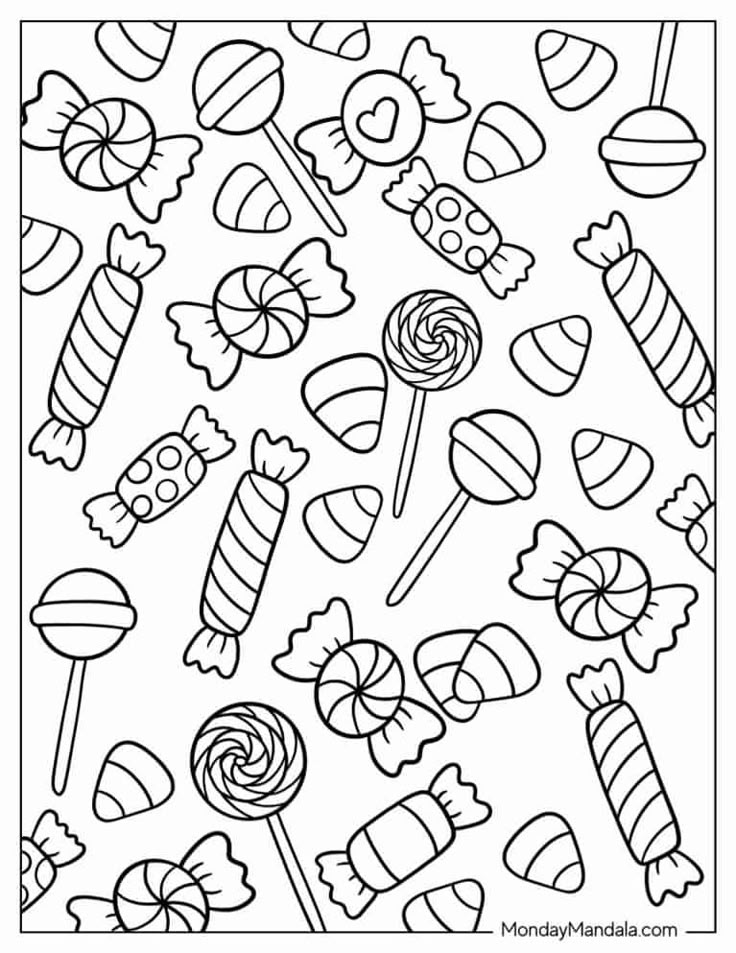

Bleeding is particularly challenging with sugar work, such as sugar sculptures. Here, color masters are carefully applied as edible paint to maintain the Clean,crisp lines of the design. It's a delicate balancing act that requires skill, patience, and a keen eye for color.
Color Stability and Vibrancy
The vibrant hues of candy pages are not just about the initial application of color but also their longevity. To ensure color stability, candy makers use light and heat-resistant colorants. This is crucial, as candy often undergoes various processing stages and encounters diverse environments before reaching our hands - and mouths.
Some colors, however, are more prone to fading or changing under specific conditions. For example, certain red and purple shades can revert to their natural orange hue over time. To mitigate such changes, candy producers constantly innovate, evolving their recipes and production methods to enhance color vibrancy and stability.


The Cultural Significance of Candy Colors
Candy colors carry cultural significance, reflecting regional tastes, heritage, and customs. This is evident in the array of colors we associate with various candies across the globe. For instance, the vibrant red of Popsicles is iconic in America, while the pastel hues of jelly beans symbolize Easter for many.
Cultural influences are also apparent in the season-specific colors of candy pages. Halloween introduces us to the spooky black and orange combo, Christmas brings us red and green, and New Year's Eve dazzles us with sparkling gold and silver. These color associations create a vivid, immersive calendar of treats that enrich our cultural palette.
Color and Flavor: A Symbiotic Relationship
The relationship between color and flavor in candy is symbiotic. Flavors often guide color choices, with fruits-inspired hues like yellow (lemon), red (strawberry), and purple (blackberry) mirroring the natural tones of these delectable treats. Conversely, color primes our perception of flavor, manipulating our expectations and enhancing our enjoyment of the candy.


A famous example is the blue raspberry candy. Although blue raspberries aren't naturally blue, the color increases our perception of the flavor's intensity, creating a vivid, tangy experience. This illustrates how color can amplify the sensory experience of candy, making our sweet journey all the more captivating.
The Art of Candy Making
Candy making is both art and science, and color plays a pivotal role in both aspects. It adds visual appeal, signals flavor, and tells stories. Skilled candy makers, artists, and designers collaborate to create intricate, eye-catching candy pages that delight our senses and stir our imagination.
From the intricate Sugar skulls of Mexico's Day of the Dead to the elaborate candyтр blocking of New Orleans' Mardi Gras, every cultural celebration has its unique candy art tradition. These edible masterpieces showcase the extraordinary craftsmanship and creativity that goes into shaping our colorful candy pages.
As we explore the wonders of candy pages, we discover a rich tapestry of culture, history, and science woven into every hue. Every color carries a narrative, every shade sings a story. So, the next time you enjoy your favorite candy, take a moment to appreciate the artistry and craftsmanship behind its vibrant, enticing colors. After all, our candy pages are not just sweet treats - they are edible histories, cultural heritages, and sensory adventures waiting to be savored.
Related Articles

Free Printable Tree Coloring Pages for Kids: Fun Nature Designs to Color
{"description": ["Free printable October coloring page: a sturdy apple tree heavy with fruit — a lovely autumn orchard scene for kids to colour. Great for fall...

Banana Coloring Pages Printable: Sweet & Fun Designs for Kids
{"description": ["A curved cartoon banana with a big open smile, waving arms, and one leg kicked out to the side while standing on a small foot. Free printable...

Candy Store Coloring Pages: Sweet Treats & Fun Designs to Color
{"description": ["A gingerbread man behind a candy stall with a Candy sign, jars of sweets, lollipops and candy canes, between two small Christmas trees. Fill...

Candy Cane Printable Coloring Pages – Fun & Festive Designs for Kids and Adults
{"description": ["Get cozy this holiday season with our festive Christmas coloring pages! Perfect for kids and adults alike, our designs will bring joy and...

Hard Printable Coloring Pages: 100+ Challenging Designs for Kids & Adults
{"description": ["Save a few pages for your next quiet coloring session. This printable set includes funny characters, detailed patterns, space art, plants...

Prayer Color Pages: Inspiring Designs for Kids and Adults
{"description": ["This uplifting collection features beautifully designed faith-based quotes surrounded by flowers, butterflies, hearts, crosses, stars, and...