African Mask Coloring Pages: Vibrant Designs for Kids & Adults
The vibrant world of African art is brought to life with African mask coloring pages. These pages offer a captivating blend of culture, history, and creativity, providing a unique opportunity for both children and adults to explore and appreciate the rich heritage of Africa.
African masks are iconic symbols of African culture, often used in ceremonies, initiation rituals, and storytelling. Each mask represents a unique story, reflecting the history, beliefs, and traditions of the communities it originates from. By offering African mask coloring pages, we open a doorway to this fascinating world, allowing anyone to engage with and understand these cultural artifacts in a fun, interactive way.
Educational Value of African Mask Coloring Pages
African mask coloring pages are more than just a fun activity. They have significant educational value, offering an engaging way to learn about African history and culture. They allow children to familiarize themselves with the unique traditions and stories associated with each mask, fostering an early appreciation for cultural diversity.


By coloring these masks, children also practice their fine motor skills and hand-eye coordination. They learn about shapes, colors, and patterns, while also developing their creativity and artistic skills. This makes African mask coloring pages an excellent tool for homeschooling, classroom activities, or simply a creative pastime.
Diverse Masquerade Traditions
African mask coloring pages present a variety of masquerade traditions from different regions of Africa. From the intricately carved masks of the Yoruba people of Nigeria to the colorful masks of the Bamana people of Mali, each offers a unique glimpse into the cultural heritage of its origin.

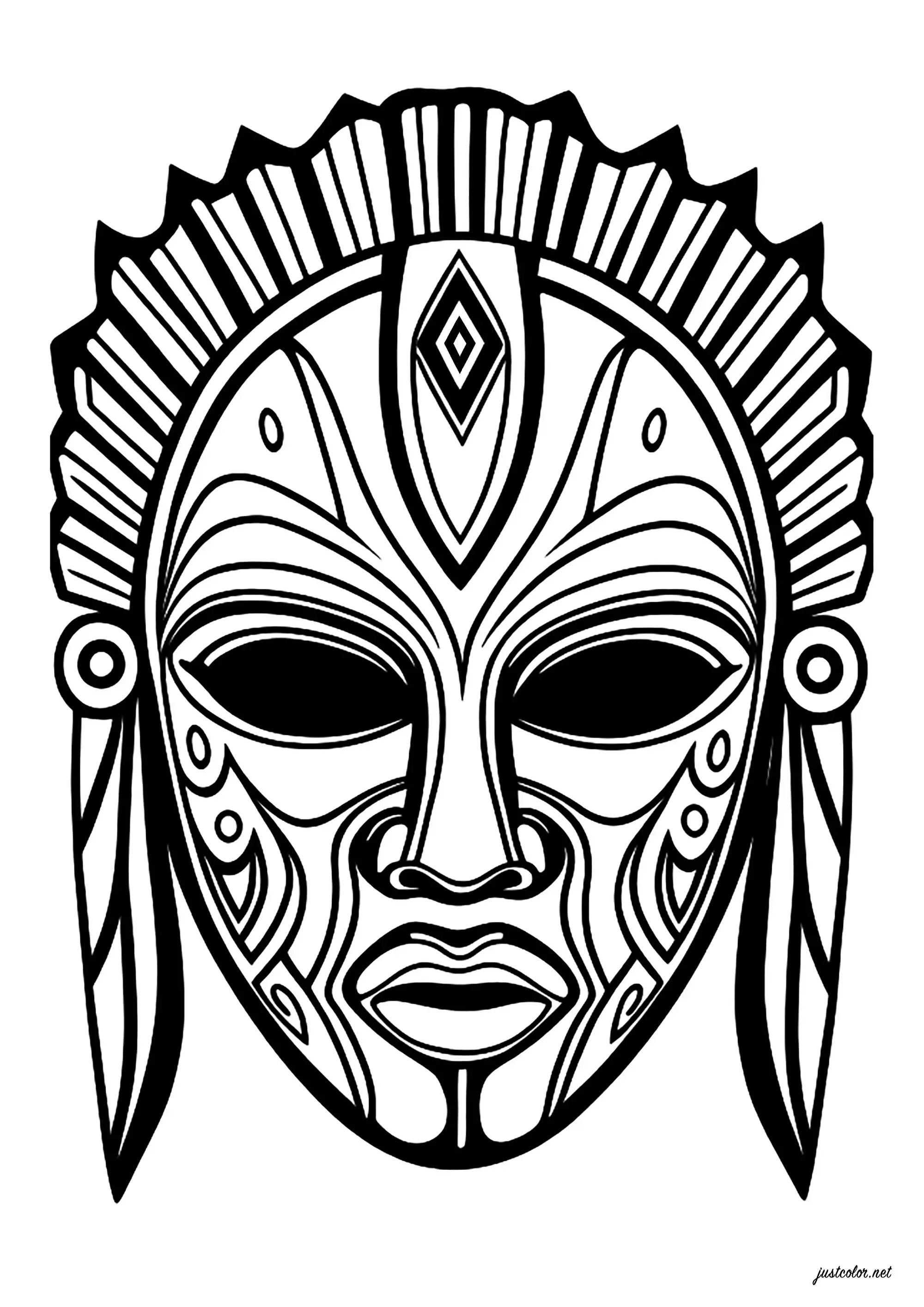

Exploring these diverse traditions through coloring pages can help children understand the beauty and richness of African culture. It also fosters a sense of global awareness and respect for cultural differences.
Storytelling Through Masks
Many African masks are associated with folktales and legends. These stories often convey moral lessons or explain natural phenomena. By using African mask coloring pages, children can explore these narratives and understand the cultural significance of these masks.
For instance, the Ananase stories associated with the Ashanti people of Ghana involve the adventures of a cunning spider. The colorful spider masquerade masks can serve as a starting point to discuss these stories and the important lessons they contain.


Cultural Appropriation vs Appreciation in African Mask Coloring Pages
While African mask coloring pages offer a great way to engage with African culture, it's essential to approach this topic with cultural sensitivity. It's crucial to distinguish between cultural appropriation and cultural appreciation.
Cultural appreciation involves Respectful learning, understanding, and celebrating another culture. In contrast, cultural appropriation is the adoption or approximation of elements of one culture by members of another culture, usually in aWBtabhisticated context or lacking a clear understanding of the original culture.
Respectful Engagement
When using African mask coloring pages, ensure they are used as a tool for cultural appreciation rather than appropriation. This means learning about the history and significance of these masks, not just the aesthetics.

For instance, instead of just coloring a mask, children could research its origins, the stories it associates with, and the cultural practices it's part of. This adds a deeper layer of understanding to the activity, fostering genuine appreciation rather than casual exploitation.
Representation and Feedback
It's also important to consider who creates and distributes these coloring pages. Involving African artists in the creation process, or supporting African-owned enterprises that produce these materials, ensures that the cultural artifacts are valued and represented authentically.
Moreover, seeking feedback from the African community can help ensure that these materials are culturally appropriate and respectful. This fosters a two-way dialogue, where learning and appreciation are reciprocal processes.
By engaging with African mask coloring pages in a respectful and curious manner, we can foster a deeper understanding of African culture. We can help children grow into adults who appreciate cultural diversity, respect cultural heritage, and strive for global harmony. So, grab those crayons and let's dive into the captivating world of African masks!
Related Articles

African Coloring Pages: Vibrant Designs for Kids and Adults to Enjoy
{"description": ["Giraffe Coloring Page In Traditional African Village With Huts And Women | MondayMandala", "20 Free Printable African Coloring Pages for...

Hard Printable Coloring Pages: 100+ Challenging Designs for Kids & Adults
{"description": ["Save a few pages for your next quiet coloring session. This printable set includes funny characters, detailed patterns, space art, plants...

Etsy Easter Coloring Pages: Adorable Printable Designs for Kids & Adults
{"description": ["Easter Coloring Page | Happy Easter Coloring Sheet | Spring Coloring Page PDF", "This Clip Art & Image Files item by DreamShopFindsByLisa has...

Be My Valentine Coloring Pages: Romantic & Fun Designs for Kids & Adults
{"description": ["Spiderman Valentine Coloring Pages (14 Free Printables)", "Choose from 15 different Be My Valentine coloring pages perfect for some...

Free Printable October Coloring Pages – 50+ Spooky Designs for Kids & Adults
{"description": ["21+ Cozy October Coloring Pages - Free Printable PDF", "A coloring page featuring Halloween-themed illustrations. Copy a sheet for the whole...

Vibrant Mexican Culture Coloring Pages for Kids & Adults
{"description": ["Mexico Map with Cultural Icons", "Free printable Taco Vendor at a Decorated Serving Cart Coloring Page for kids, families, teachers, and...